
Gum disease, also known as periodontal disease, is one of the most common oral health problems, yet it is largely preventable. It begins quietly, often with mild symptoms that are easy to ignore, and can progress to serious infection, tooth loss, and even systemic health issues if left untreated. Understanding how gum disease develops and taking consistent preventive steps can protect both your smile and your overall health.
Understanding How Gum Disease Starts
Gum disease typically begins with plaque, a sticky film of bacteria that constantly forms on teeth. When plaque is not removed effectively, it hardens into tartar and irritates the gum tissue. This irritation leads to inflammation, redness, and bleeding, a stage known as gingivitis. At this point, the damage is still reversible. If plaque and tartar continue to build up, the condition can advance to periodontitis, where gums pull away from the teeth and bone loss may occur. Prevention focuses on stopping this process before it gains momentum.
How to Stop Gum Disease
Dr. Speck recommends that you follow these steps to reduce your risk of gum disease. He’ll help you keep track of your oral health and will give you tips in his office to keep your gums healthy.
Daily Oral Hygiene Matters
The foundation of healthy gums is consistent daily oral care. Dr. Speck recommends brushing your teeth twice a day for two minutes each time. Use a soft-bristled toothbrush and fluoride toothpaste.
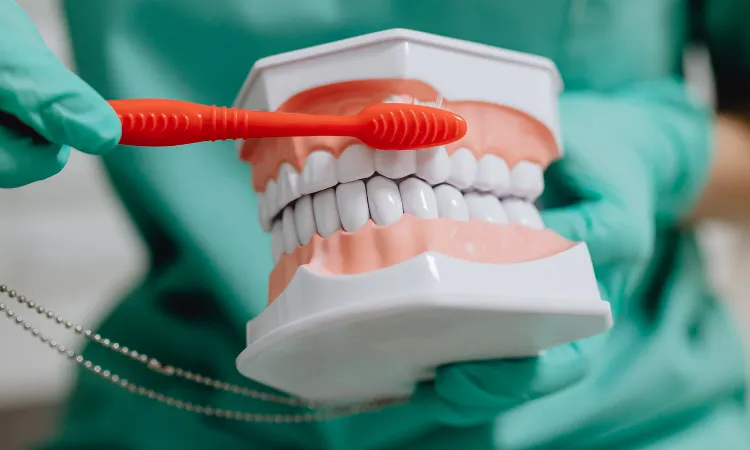
Pay special attention to the gumline, where your teeth meet your gums. This is where bacteria love to accumulate. Hold your toothbrush at a 45-degree angle to your gums and use gentle circular motions. Brushing too hard can actually damage your gums, so be thorough but gentle.
Flossing is just as important as brushing. Your toothbrush can’t reach between your teeth, and plaque that stays in these tight spaces causes inflammation and gum disease. Floss at least once a day, preferably before bed. Slide the floss gently between each tooth and curve it around the base of each tooth, going slightly below the gumline.
Get Professional Dental Care
Even with excellent brushing and flossing at home, you still need professional dental care. At Oxford Family Dentistry, Dr. Speck and his highly skilled dental team provide thorough cleanings that remove hardened tartar. Once tartar forms, you can’t remove it with a toothbrush. Only professional dental instruments can clean it away.
Dr. Speck recommends visiting the office every six months for a cleaning and checkup. During these visits, he examines your gums for early signs of disease. He measures the depth of the pockets between your teeth and gums. Healthy gums have shallow pockets, but deeper pockets can indicate gum disease.
These regular checkups allow Dr. Speck to catch problems early when they’re easiest and least expensive to treat. Early gingivitis can often be reversed with a professional cleaning and improved home care. Catching gum disease early prevents the need for more complex treatments later.
Dr. Speck’s philosophy of open communication means he’ll explain what he finds during your exam and discuss the best treatment options for your situation. You’ll never feel confused about your dental health.
Avoid Tobacco Products
Smoking and using other tobacco products significantly increase your risk of gum disease. Tobacco reduces blood flow to your gums, making it harder for them to fight off infection and heal properly. It also weakens your immune system’s response to bacteria.
Smokers are much more likely to develop severe gum disease and are less likely to respond well to treatment. Tobacco use can also mask early warning signs like bleeding gums, so the disease gets worse before you notice it.
If you use tobacco, quitting is one of the best things you can do for your gum health. Dr. Speck can provide resources and support to help you quit.
Eat a Healthy Diet
What you eat affects your gum health. A balanced diet supports your immune system, helping your body fight off bacterial infections in your mouth. Foods rich in vitamins and minerals contribute to stronger gums and faster healing.
Include plenty of:
- Vitamin C from fruits and vegetables, which helps keep gums healthy
- Calcium from dairy products, which strengthens teeth and bones
- Crunchy fruits and vegetables like apples and carrots, which help clean teeth naturally
- Water, which washes away food particles and keeps your mouth hydrated
Limit sugary foods and drinks. Bacteria in your mouth feed on sugar and produce acid that attacks both your teeth and gums. If you do eat something sugary, rinse your mouth with water afterward or brush your teeth.
Managing Stress and Overall Health
Chronic stress interferes with your body’s ability to fight infections, including gum infections. High stress levels can also cause you to neglect your oral hygiene routine or grind your teeth, both of which harm your gums.
Find healthy ways to manage stress, such as exercise, meditation, or hobbies you enjoy. Getting enough sleep also helps your body stay healthy and fight off infections.
Certain health conditions are closely linked to gum disease. Diabetes, for example, makes it harder to control infections, including gum disease. If you have diabetes or other chronic health conditions, managing them well supports healthier gums. Dr. Speck can work with your medical doctors to coordinate your care.
Get a Gum Disease Consultation in Oxford, PA
At Oxford Family Dentistry, we are dedicated to helping you maintain a bright and healthy smile. If you experience red, swollen, or bleeding gums, don’t hesitate to reach out. The sooner you seek treatment, the more likely you are to reverse the damage of gum disease. Contact our office today to schedule a consultation and learn more about how to keep your teeth and gums healthy and strong.