
Gum disease, also known as periodontal disease, is one of the most common oral health problems, yet it is largely preventable. It begins quietly, often with mild symptoms that are easy to ignore, and can progress to serious infection, tooth loss, and even systemic health issues if left untreated. Understanding how gum disease develops and taking consistent preventive steps can protect both your smile and your overall health.
Understanding How Gum Disease Starts
Gum disease typically begins with plaque, a sticky film of bacteria that constantly forms on teeth. When plaque is not removed effectively, it hardens into tartar and irritates the gum tissue. This irritation leads to inflammation, redness, and bleeding, a stage known as gingivitis. At this point, the damage is still reversible. If plaque and tartar continue to build up, the condition can advance to periodontitis, where gums pull away from the teeth and bone loss may occur. Prevention focuses on stopping this process before it gains momentum.
Daily Oral Hygiene Matters
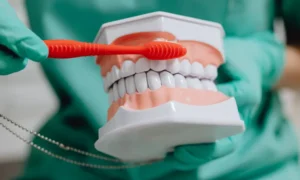
Consistent daily oral care is the foundation of healthy gums. Brushing thoroughly removes plaque before it has a chance to harden and cause irritation. Paying attention to the gumline is especially important, as bacteria tend to accumulate where the teeth and gums meet. Gentle brushing techniques help clean effectively without damaging sensitive gum tissue.
Flossing plays a crucial role as well. Areas between the teeth are inaccessible to a toothbrush, and plaque that remains in these spaces can trigger inflammation. Regular flossing disrupts bacterial growth and keeps the gums firm and healthy. When brushing and flossing become habitual, the risk of gum disease drops significantly.
The Role of Professional Dental Care
Even with excellent home care, professional dental visits are essential for preventing gum disease. Dental cleanings remove hardened tartar that cannot be eliminated with brushing alone. These visits also allow dental professionals to identify early signs of gum problems before they become severe. Routine checkups provide an opportunity to monitor gum health, measure gum pockets, and receive personalized advice based on individual risk factors. Early intervention often prevents the need for more complex and costly treatments later on.
Nutrition and Lifestyle Choices
What you eat and how you live have a direct impact on gum health. A balanced diet supports the immune system, helping the body fight off bacterial infections in the mouth. Foods rich in vitamins and minerals contribute to stronger gums and faster healing. Staying hydrated also supports saliva production, which naturally cleanses the mouth and neutralizes harmful acids.
Lifestyle habits such as smoking significantly increase the risk of gum disease. Tobacco use reduces blood flow to the gums, weakens immune response, and masks early symptoms, making the disease harder to detect. Reducing or eliminating tobacco use can dramatically improve gum health and overall oral outcomes.
Managing Stress and Overall Health
Chronic stress can interfere with the body’s ability to fight infection, including infections in the gums. High stress levels may also lead to neglected oral hygiene routines. Taking steps to manage stress through healthy coping mechanisms can indirectly protect gum health.
Certain medical conditions, such as diabetes, are closely linked to gum disease. Maintaining good control of overall health conditions supports healthier gums and reduces inflammation throughout the body.
Treatment for Gum Disease in Oxford, PA
At Oxford Family Dentistry, we are dedicated to helping you maintain a bright and healthy smile. If you experience red, swollen, or bleeding gums, don’t hesitate to reach out. The sooner you seek treatment, the more likely you are to reverse the damage of gum disease. Contact our office today to schedule a consultation and learn more about how to keep your teeth and gums healthy and strong.