
Dentures are a vital part of daily life for millions of people. They often help restore confidence, improve speech, and allow for proper chewing and nutrition. However, like any dental appliance, dentures don’t last forever. Over time, wear and tear, changes in the mouth, and other factors can affect how well your dentures fit and function. Knowing when it’s time for a replacement denture is essential for maintaining your oral health and quality of life.
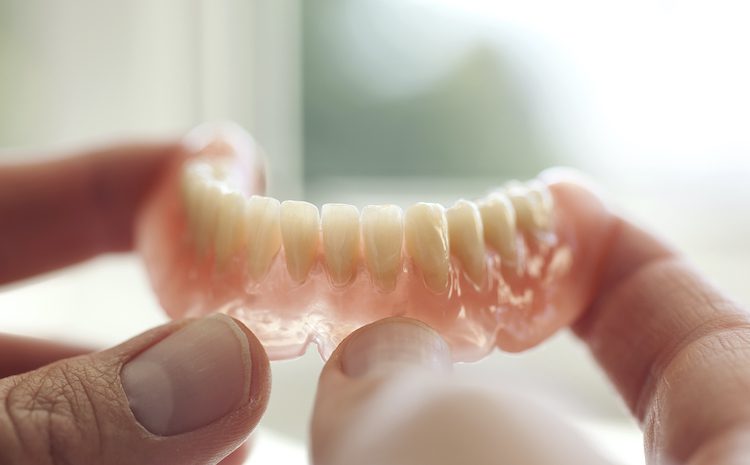
Changes in Fit and Comfort
One of the most common signs that it’s time to consider new dentures is a change in how they fit. If your dentures suddenly feel loose or are slipping when you speak or eat, don’t ignore it. Our mouths naturally change shape over time due to bone resorption and gum shrinkage, which affects how well dentures stay in place. Poorly fitting dentures can lead to sore spots, irritation, or even infections if left unaddressed. A denture that used to feel snug but now shifts regularly likely needs to be evaluated or replaced.
Visible Wear and Damage
Dentures are made to withstand regular use, but they aren’t indestructible. Cracks, chips, or worn-down teeth on your denture are signs of aging materials and decreased functionality. While minor damage can sometimes be repaired, significant or repeated breakage usually points to the need for a new set. Additionally, discoloration that can’t be cleaned away may not just affect the appearance. It could also harbor bacteria and lead to hygiene concerns.
Difficulty Chewing or Speaking
If you’re noticing that chewing has become more difficult or certain foods are harder to handle than they used to be, it might not be your technique, it might be your dentures. Likewise, if you’re slurring words or struggling to pronounce sounds that used to be easy, your dentures may no longer be aligning properly with your natural jaw movements. These functional issues are not only frustrating but can also impact your nutrition and communication, making a denture update more than just a cosmetic decision.
Persistent Bad Breath or Unusual Odors
Good oral hygiene with dentures is crucial, but even with regular cleaning, old or ill-fitting dentures can develop persistent odors. This can happen when bacteria accumulate in hard-to-reach places or in microscopic cracks within the denture material itself. If you’re noticing bad breath that doesn’t go away with brushing and soaking, it might be a sign that your dentures are harboring more bacteria than they should, and a new set may be the best solution.
Gum Irritation or Sores
Red, swollen, or painful gums are a clear signal that something isn’t right. Dentures that don’t fit properly can rub against your gums and cause irritation or even open sores. Not only is this uncomfortable, but it also puts you at risk for infections and further complications. Chronic discomfort or pain should never be accepted as “normal” when wearing dentures. If your gums are constantly sore despite adjustments or relines, it’s probably time for a new denture.
It’s Been Over 5 Years
Even with excellent care, most dentures have a lifespan of about five to seven years. Material fatigue and changes in your mouth mean that an old denture might no longer offer the support and comfort it once did. If it’s been several years since your last denture fitting or replacement, it’s a good idea to have them evaluated by your dentist, even if you aren’t noticing major issues yet. Proactive replacement could prevent future problems and ensure continued comfort and function.
Denture Care in Oxford, PA
At Oxford Family Dentistry, we are committed to helping you maintain a healthy and strong bite. If you are missing multiple teeth or need extractions, a denture could help improve your quality of life. We offer both traditional and implant-supported denture options to meet your budget and oral health needs. Contact our office today to schedule a consultation and learn more about your treatment options.